Source Embossed Drawstring Jewelry Bag for Gifts, Parties, Weddings
Compare 30 options for the embossed drawstring jewelry bag, featuring velvet materials and screen printing. Buyers can evaluate customization, MOQs, and lead times for gifts, parties, and weddings.
Key considerations
Products List
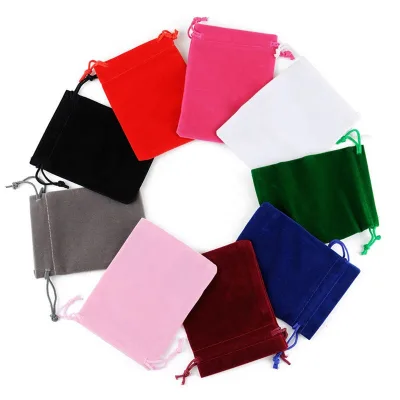


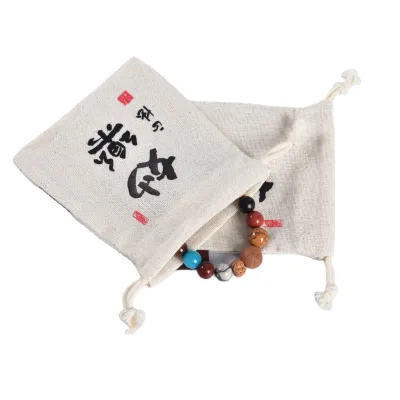


Comprehensive Sourcing Guide
Strategic Sourcing Guide for Embossed Drawstring Jewelry Bags
Understanding Technical Specifications and Material Composition
When sourcing embossed drawstring jewelry bags, the primary objective is to identify products that balance aesthetic appeal with functional durability. The core material composition is a critical differentiator in this category. Based on available market data, the most prevalent material specification involves a velvet surface combined with a warp knitted bottom flocking. This specific construction provides a luxurious tactile experience essential for jewelry packaging while ensuring the bag maintains its structural integrity during handling. The "embossed" aspect of the keyword implies a surface treatment that creates texture or depth, which is often achieved through the screen printing process noted in high-confidence facts.
The physical dimensions of these bags are highly variable, yet standard specifications often cite a size of 5x7 cm, with customization options available to meet specific jewelry piece requirements. The "embossed" feature may also relate to the visual depth created by the printing process rather than a distinct mechanical embossing tool, as screen printing is the dominant surface printing method identified. Buyers must verify whether the embossing is a raised texture or a visual effect, as this impacts the perceived value of the final product. The bag's sealing mechanism is consistently identified as a drawstring, utilizing colorful polypropylene rope handles. This design choice facilitates easy access while preventing the loss of small, high-value items like rings or earrings.
The weight of the individual unit is a significant factor for logistics planning. Observed data indicates a unit weight as low as 2.5 grams, which is advantageous for minimizing shipping costs in bulk orders. However, the functional weight limit for the bag is noted to be between 5 and 10 kg, suggesting that while the bag itself is lightweight, the material strength is sufficient to hold heavier jewelry collections without tearing. The hardness rating is consistently described as "soft," aligning with the velvet and flocking material profile. This softness is crucial for protecting delicate jewelry from scratches during transport and storage.
Compliance, Certification, and Safety Standards
In the B2B procurement of packaging materials, particularly those intended for high-value goods like jewelry, compliance with safety and environmental standards is non-negotiable. The supply chain for these bags often involves rigorous testing to ensure the materials do not contain harmful substances. High-confidence facts indicate that products in this category frequently carry certifications from recognized third-party agencies such as SGS, BV, and Intertek. These certifications serve as objective verification that the materials meet international safety benchmarks.
A critical area of focus for buyers is the chemical composition of the materials. The supply data explicitly mentions that products can be "Lead Free, Nickel Free, and Cadmium Free." These attributes are vital because jewelry often comes into direct contact with skin, and any leaching of heavy metals from the packaging could contaminate the product or cause allergic reactions. While the term "Eco-Friendly" is used, buyers should verify the specific claims against the provided certification reports. The presence of these heavy metal-free claims suggests a manufacturing process that adheres to strict chemical safety protocols, likely aligning with regulations in major markets like Europe and North America.
The quality standard referenced in the available data is the "US Standard," which implies adherence to specific American manufacturing and safety benchmarks. However, buyers should not assume that all listed products automatically meet this standard without verification. The "Customized" nature of the product standard means that the final quality parameters may vary based on the buyer's specific requirements. Therefore, the procurement strategy must include a request for current certification documents from the supplier. It is also important to note that while some background information mentions REACH, this should not be treated as a guaranteed attribute of every product without explicit confirmation from the supplier. The procurement team must treat certification status as a variable to be confirmed rather than a fixed attribute of the category.
Cost Drivers and Pricing Dynamics
The pricing structure for embossed drawstring jewelry bags is influenced by several dynamic factors, primarily driven by order volume, material selection, and customization complexity. The observed price range in the market spans from $0.04 to $1.50 USD per unit. This wide variance indicates that the base cost of a standard, non-customized bag is significantly lower than that of a premium, fully customized version. The lower end of the price spectrum likely corresponds to basic velvet bags with standard screen printing, while the higher end reflects complex designs, custom sizes, or specialized materials.
Minimum Order Quantity (MOQ) is a primary cost driver in this sector. The data presents a range of MOQs, with some suppliers requiring 1,000 pieces and others as low as 500 pieces, while the broader observed range extends up to 3,000 units. A higher MOQ generally correlates with a lower unit price due to economies of scale in production. Buyers must balance their inventory needs against the upfront capital required to meet these thresholds. The "Single Item" selling unit attribute suggests that while the MOQ is high, the transaction is often structured as a bulk purchase rather than individual sales, reinforcing the B2B nature of the market.
Additional cost factors include the customization of the logo and the specific printing process. Screen printing is the dominant method, but the complexity of the design and the number of colors used can increase the setup and production costs. The "Custom Order" acceptance and "OEM available" attributes indicate that suppliers are willing to tailor the product, but these services often come with a premium. Furthermore, the lead time for production, which ranges from 2-3 days for samples to 7-20 days for bulk orders, can impact the overall cost if expedited shipping is required. The payment terms, typically structured as a 30% deposit and 70% balance before shipping, also influence cash flow planning for the buyer.
Typical Applications and Industrial Use Cases
The versatility of embossed drawstring jewelry bags makes them suitable for a diverse range of industrial and commercial applications. The primary use case, as indicated by the product type "Jewelry Collection Bag," is the packaging and storage of jewelry items. This includes engagement rings, wedding bands, and party accessories. The "Leisure" style and "Unisex" gender classification suggest that these bags are designed for a broad consumer base, making them ideal for retail packaging where the unboxing experience is part of the brand value.
Beyond jewelry, the product usage data highlights applications in health care products, digital products, cosmetics, and general gifts. The "Industrial Use" category explicitly lists "Gift" and "Bread Bag," indicating that the same bag design can be repurposed for food packaging or promotional giveaways. The "Suitable" attributes further expand this scope to include engagement, parties, weddings, and Halloween events. This flexibility allows buyers to source a single product type for multiple product lines, simplifying inventory management.
The specific material properties, such as the soft velvet texture and the drawstring sealing, make these bags particularly effective for protecting sensitive items. The ability to handle "Dry Goods, Wet Goods, and Sub-Humid Goods" suggests a level of moisture resistance or containment that adds to their utility. For digital products, the bag serves as a protective sleeve for accessories like cables or chargers. The "Eco-Friendly" and "Recycled" features, where applicable, align with the growing demand for sustainable packaging in the cosmetics and gift industries. Buyers should evaluate the specific application requirements to ensure the bag's material and size are appropriate for the intended use case.
Supplier Evaluation and Quality Control Protocols
Evaluating suppliers for embossed drawstring jewelry bags requires a rigorous assessment of their manufacturing capabilities and quality control systems. The "Place of Origin" is consistently identified as China, with specific mentions of Zhejiang as a production hub. While this provides a geographic context, buyers must look beyond location to assess the supplier's actual production capacity. The "Process" is described as a combination of "Handmade+Machine Made," which implies a hybrid approach where automation ensures consistency while manual labor adds a touch of quality to the finishing.
Quality control should focus on the consistency of the screen printing and the integrity of the drawstring mechanism. Buyers should verify that the "Logo Printing" is clear, durable, and correctly aligned. The "Customized" nature of the product means that the supplier must be able to replicate the buyer's design accurately. The availability of certifications like SGS, BV, and Intertek is a strong indicator of a supplier's commitment to quality, but these should be current and relevant to the specific batch of goods. The "Hardness" and "Weight Limit" specifications should be tested to ensure the bag can withstand the intended load without failure.
The "Sample Time" of 7 days and the "Lead Time" of 10-15 days for delivery are critical metrics for supply chain planning. A supplier's ability to meet these timelines consistently is a key performance indicator. Buyers should also evaluate the "prod_packing" standards, which range from "Carton Pack" to "Each One with OPP Bag." Proper packaging is essential to prevent damage during transit. The "Shipment" options, including DHL, UPS, and TNT, indicate that the supplier has established logistics partnerships, which is a positive sign for international buyers.
Long-Term Procurement and Strategic Considerations
For long-term procurement success, buyers must consider the scalability and adaptability of their supplier relationships. The "Custom Order" and "Customization" attributes suggest that the market is highly responsive to changing trends and specific brand requirements. As a buyer's business grows, the ability to scale production from 500 to 3,000 units without compromising quality is essential. The "Main Market" data, which includes Europe, North America, and Russia, indicates that suppliers with experience in these regions are better equipped to handle international compliance and shipping complexities.
Sustainability is a growing consideration in the procurement of packaging materials. The "Feature: Recycled" attribute, combined with the "Eco-Friendly" claims, suggests that there is a market segment focused on environmentally responsible packaging. Buyers should inquire about the specific recycled content and the lifecycle of the materials used. The "Standard: Customized" and "Standard: as picture" attributes highlight the importance of maintaining clear communication with the supplier to ensure that the final product matches the visual and functional expectations.
Finally, the payment terms and the "Selling Units" structure should be factored into the financial planning. The 30% deposit and 70% balance structure is standard but requires careful cash flow management. Buyers should also consider the "Weight Limit" and "Weigh" specifications when calculating shipping costs, as these directly impact the total landed cost of the product. By focusing on these strategic elements, buyers can build a resilient supply chain that supports their brand's growth and quality standards.
| Attribute Category | Key Specification | Procurement Verification Point |
|---|---|---|
| Material | Velvet, Warp Knitted Bottom Flocking | Verify texture consistency and flocking adhesion. |
| Printing | Screen Printing, Logo Printing | Check color accuracy and embossing depth. |
| Dimensions | 5x7CM or Custom | Confirm size tolerance and fit for jewelry. |
| MOQ | 500 - 3,000 pcs | Assess alignment with inventory budget. |
| Certification | SGS, BV, Intertek | Request current test reports for heavy metals. |
| Lead Time | 7-20 days (Bulk) | Plan production schedules accordingly. |
| Packaging | Carton, OPP Bag | Ensure protection during international transit. |
FAQs
What materials are used for embossed drawstring jewelry bags?
These bags typically use a velvet surface combined with a warp knitted bottom flocking. This construction provides a soft texture while maintaining structural integrity for holding jewelry items securely.
Can suppliers customize the size and logo of these bags?
Yes, customization is available for both size and logo printing. Buyers can request specific dimensions like 5x7 cm or fully custom sizes, and the surface printing is often done via screen printing.
What is the typical minimum order quantity for these bags?
The minimum order quantity varies by supplier, ranging from 500 to 1000 pieces. Some vendors may require up to 3000 units depending on the complexity of the customization and material selection.
How long does it take to receive samples and bulk orders?
Samples typically take 2 to 3 days or up to 7 days to produce. Bulk orders generally require a lead time of 7 to 20 days for delivery after the deposit is confirmed.
Are these bags certified for safety and environmental standards?
Many products carry certifications from SGS, BV, and Intertek to verify safety. They are often lead-free, nickel-free, and cadmium-free to ensure they are safe for jewelry and skin contact.
What is the price range for embossed drawstring jewelry bags?
The observed price range spans from 0.04 to 1.50 USD per unit. The final cost depends heavily on the order volume, material quality, and the extent of custom branding or design work.